
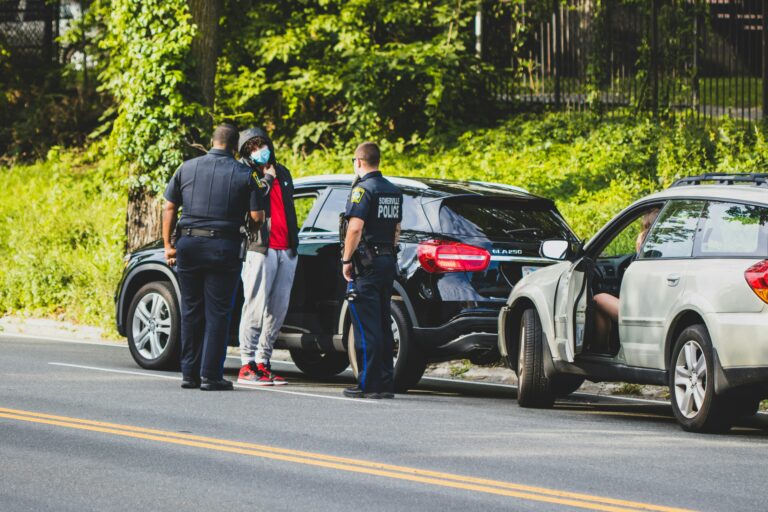
No matter how experienced you are behind the wheel, car accidents can still happen—often when you least expect them. It might be caused by another driver’s mistake, a sudden collision, or unexpected events like falling trees or severe weather. Being involved in an accident can be stressful and confusing, whether it’s a minor bump or a serious crash. Knowing what to do in those first few moments can make a big difference to your safety, your insurance claim, and what happens next. In this guide, we will walk you through exactly what to do after a car accident in New Zealand, step by step.
Check for injuries and ensure safety
The first important thing is to take a deep breath. Check yourself and the other passengers to ensure that everyone is safe and not seriously injured. If someone is seriously injured, call the paramedics first for medical assistance. If it’s safe to do so, move your car to the side of the road or to a parking space. This will help clear the area and prevent any additional collisions. Be sure to turn off the engine and turn on the hazard lights. If possible, use the warning triangle.
Call the police
If the crash is serious, causes road blockage, or results in injuries, call the police. If someone’s personal property is damaged and you cannot contact the owner, report the accident to the police within 60 hours of the incident. If it’s a minor accident, you may not need to call the police, but it is recommended to notify them for safety and peace of mind.
Exchange details with other parties
If other parties are involved in the accident, it’s important to exchange contact and insurance information with them. Be sure to collect the following information from any other drivers involved:
- Full name, phone number, address
- Driver’s licence details
- Vehicle registration
- Insurance details (if applicable)
Note: If your accident causes damage to someone else’s property or injury to another person, do not admit fault unless you are certain.
Document the scene
Make sure to take clear photos of the damage to your vehicle and the other party’s vehicle, including their license plates and overall condition. It’s also helpful to capture images of the surrounding area, such as the road, street signs, and traffic lights. This information can be useful when you file an insurance claim.
If the other party refuses to share these details, do not worry, note down their vehicle registration number (number plate) and share it with the police. If there are any witnesses to the accident, be sure to collect their information, as it will help determine who was at fault. Additionally, write down what happened while it’s still fresh in your memory.
Contact your insurance company
It’s important to notify the insurance company as soon as possible. You can do this at the roadside or when you get home. Provide all collected data, including photos and details, and be honest when describing what happened. Follow their instructions for filling a claim. If your car is not in driving condition and an insurance company accepts your claim, they will cover the cost of towing and transporting it to a mechanic.
Decide what to do with the damaged vehicle
If a mechanic and the insurance company declare the vehicle a write-off, it means the cost of repairs exceeds the vehicle’s value, or that repairing it is deemed unsafe. If you choose a full settlement, you will receive the total value of your vehicle, and the insurance provider will take ownership of it. Alternatively, if you opt for a settlement with a salvage option, you will accept a lower payout while retaining ownership of the car. However, keeping or repairing the vehicle may not be practical, and selling it to a salvage company is often the best choice. In that case, you will receive cash for your damaged car quickly and efficiently, regardless of its condition.
Don’t have insurance?
If you don’t have car insurance, you should consider getting it. While it is not legally required in New Zealand, having it protects you financially in the event of an accident and provides peace of mind.