
In New Zealand, imported Japanese vehicles are highly popular among buyers due to their affordability, uniqueness, wide variety, and reliability. But what if someone wishes to import a vehicle on their own? Is it possible? The answer is yes— it is indeed possible. However, the process involves several important steps and requirements that you need to understand before getting started. In this guide, we will walk through the entire process of importing a vehicle from Japan to New Zealand. Stay tuned!
Imported vehicles from Japan have several benefits. Key benefits are:
Importing a vehicle from Japan involves adhering to strict safety and emissions standards.
Here are the documents that you will need to provide to the NZ authorities.
The vehicle must meet New Zealand’s emissions and frontal impact standards.
Must need the original deregistration certificate of Japan (export certificate)
Odometer reading must be verified through JEVIC.
The vehicle must be no more than 20 years old to be eligible for import into New Zealand.
All imported vehicles must be right-hand drive.
It includes costs such as purchase price, freight, insurance, cleaning, 15% GST, import duty, and registration fees.
NZTA for compliance and safety, and the vehicle must pass the Warrant of Fitness (WOF).
Once the vehicle arrives in NZ, it must undergo inspection to ensure it meets NZ road standards.
This is needed when the car arrives in New Zealand, it must go through customs and biosecurity clearance at the border.
You may have already decided which make and model you want, and the next step is choosing the right source. You can choose between auction sites or dealers.
The auction option is affordable and offers a wide selection of vehicles, along with access to original auction sheets that detail the car’s condition, for example, rust and accident history. It’s the perfect option for those looking for rare, specific, and cheaper options that they can manage the associated risks. Don’t forget to check the auction sheets and vehicle history. The auction sheet includes a vehicle grade, such as 4, 4.5, or 5 (where 5 indicates excellent condition).
On the other hand, purchasing from a dealer is safer but more costly than buying at auction. Dealers provide strong consumer protection under New Zealand’s Consumer Guarantees Act and often include warranties. While dealers may be more expensive, they handle the risk of importation, compliance, and vehicle grooming. This option is ideal for those who value peace of mind and immediate ownership, even if it comes with a higher tag. One of the top dealer sites for this is Car From Japan, which lets you import vehicles directly and safely.
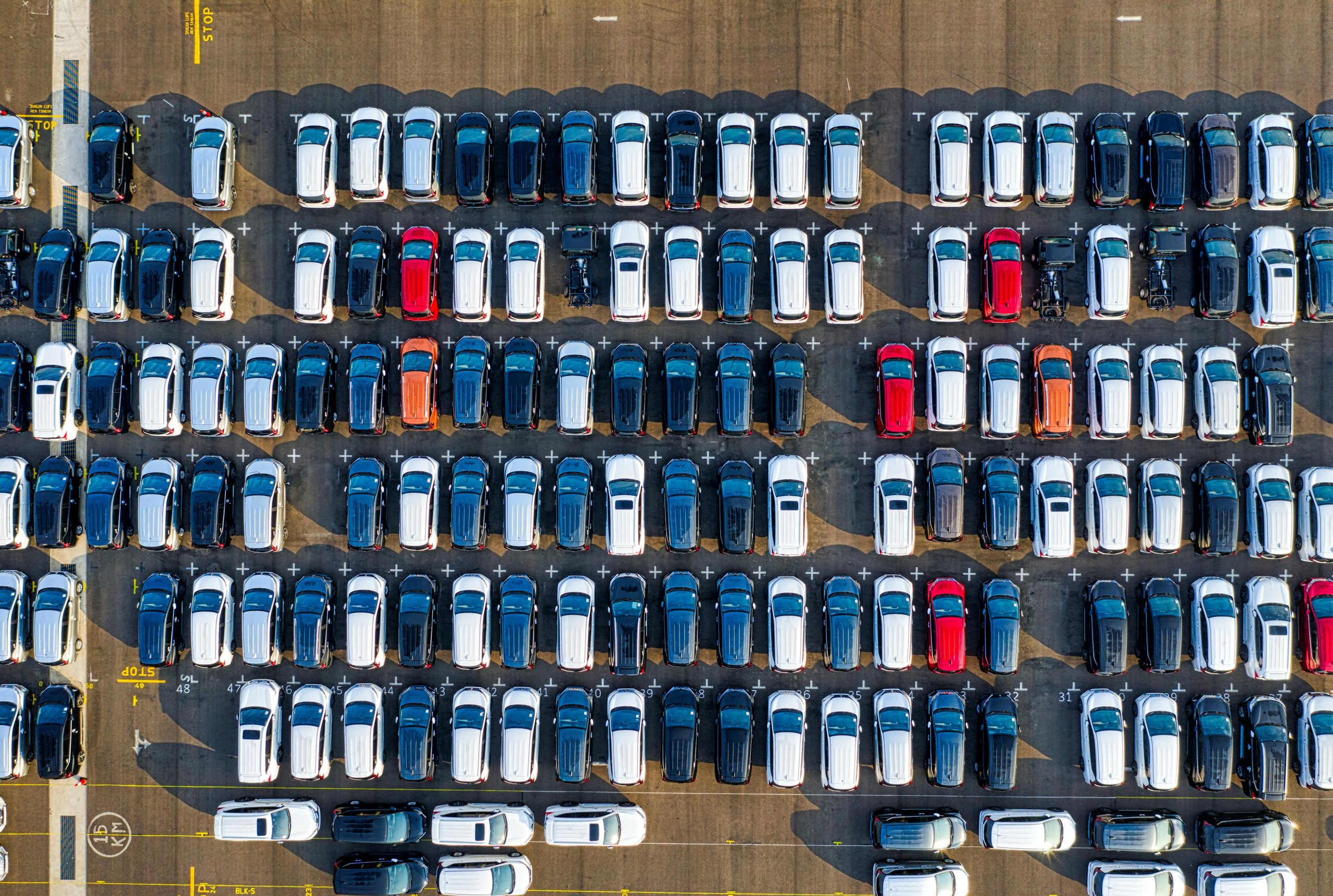
Find the vehicle that fits your budget, needs, and preferences.
Note: Make sure to use a professional importer or agent; they will handle the strict compliance documentation for you, including the export certificate.
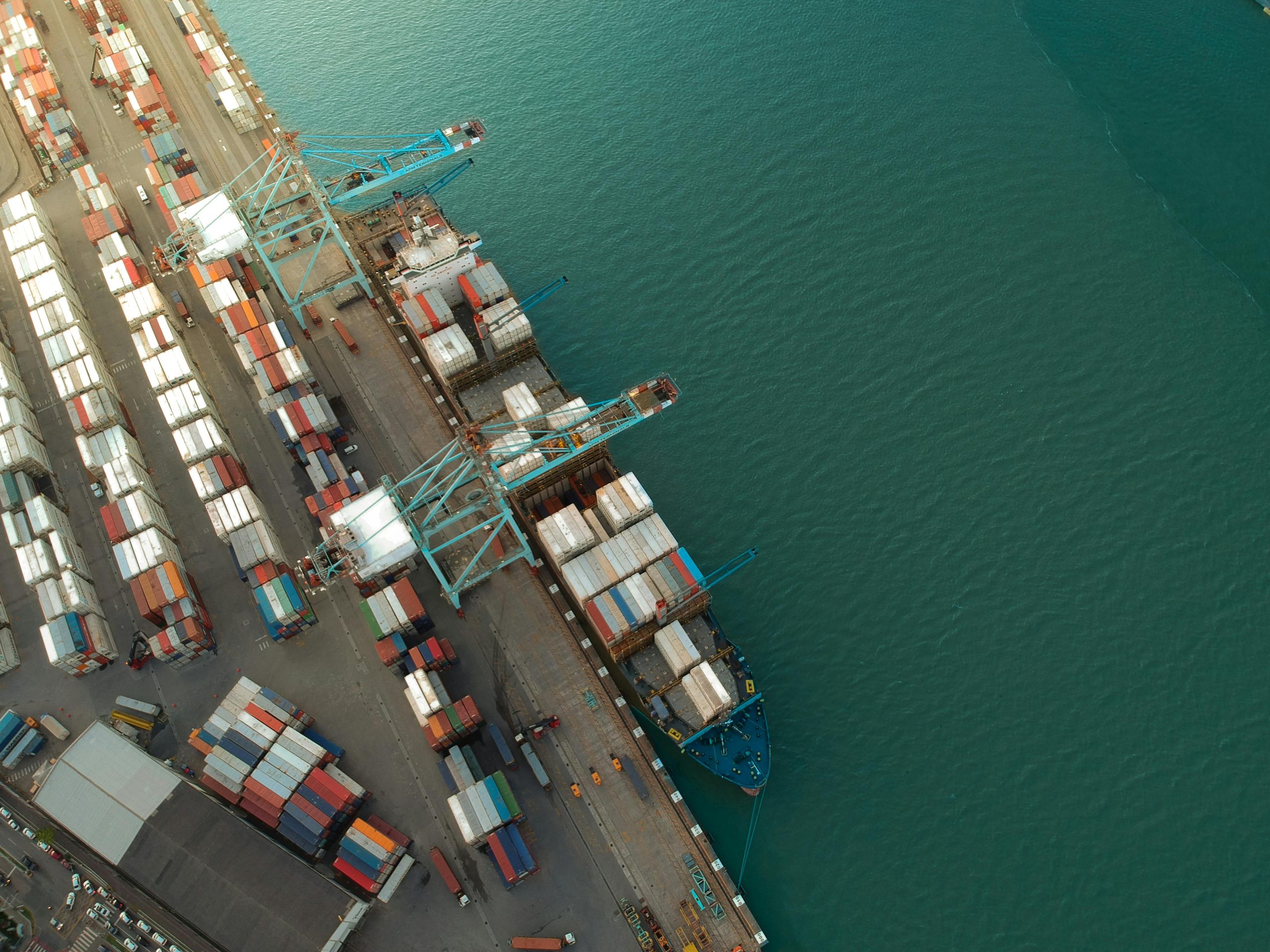
Arrange transport through shipping lines to New Zealand ports. For shipping, the required documents are the original Japanese deregistration certificate, the bill of lading, and the invoice. The primary shipping methods from overseas are RoRo (Roll-On/Roll-Off) and container shipping, which are typically more affordable and convenient for operational and standard vehicles. In contrast, container shipping is more secure because the vehicle is sealed inside a container, protecting it from weather conditions— especially important for high-value luxury vehicles, non-running vehicles, and project cars. However, container shipping is more expensive than RoRo due to increased labor and handling costs.
Insurance is vital when transporting a car to minimize the stress of potential mishaps. Marine Transit insurance is essential to protect against risks like damage, theft, or total loss during shipping.
Once everything is done, you need to wait around 13 to 23 days more once your vehicle is shipped.
Once the vehicle arrives in New Zealand, you will need to do the following:
Inspection process: Arrange border inspection (If it’s not carried out in Japan).
Biosecurity clearance: The vehicle must undergo customs and biosecurity clearance at the border. Once the process is complete, arrange for the entry certification, which will identify any repairs needed to ensure compliance. If the vehicle has significant damage, it may need to be taken to a repair certifier before obtaining the entry certification.
Pay fees: You need to pay the Clean Car Standard (CCS) charges through your online CCS account.
To legally drive your vehicle on the road, you need to register and license the vehicle. You need to complete several steps. First, you need to pass a safety inspection for a vehicle to be allowed on the road. You need a Warrant of Fitness (WOF), which is required before driving a vehicle to ensure the vehicle is up to date.
Next, register your vehicle locally through an authorized agent, such as AA. To do this, you will need to provide your driver’s license information, along with details about your vehicle’s make and model, and pay the required license fee. Additionally, you must submit an application to receive a local license plate before driving on the road.
Here are the common mistakes to avoid.
Importing a vehicle from Japan to New Zealand can be straightforward in terms of availability, but it requires extensive paperwork, patience, communication, and logistics. Planning is key—this includes setting your budget, choosing the right vehicle, deciding whether to buy from an auction or a dealer, insurance, and understanding all import rules and regulations. By doing proper research before buying, you can avoid costly mistakes and ensure your vehicle arrives safely in New Zealand.